Each transfer is designed as a private service, dedicated solely to you or your group.
Upon arrival, enjoy personalized excursions to explore historical sites, natural landscapes, and experience authentic life in northwest Tunisia.
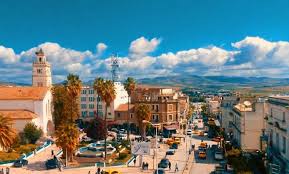
Medina of Béja
The Medina of Béja offers a true journey into the past. Its narrow alleys, arched gateways, and souks filled with aromas of spices and crafts reveal a living heritage. Between ancient houses and lively stalls, visitors discover the authentic rhythm of local life and the city’s cultural heart.
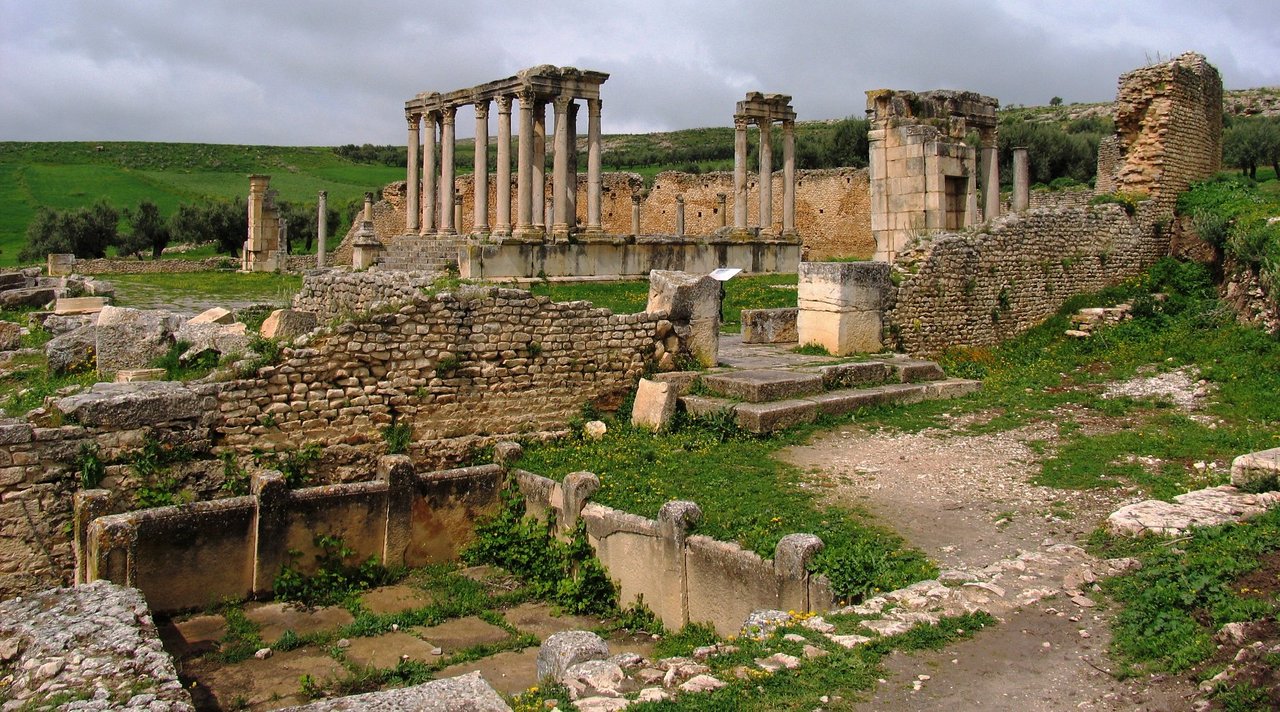
Roman Silos
The Roman Silos of Béja are a striking testimony to Tunisia’s agricultural importance in antiquity. Used for wheat storage, these vast underground structures once supplied Rome itself. Today, they fascinate visitors with their scale and historical significance as a vital link in the empire’s grain network.
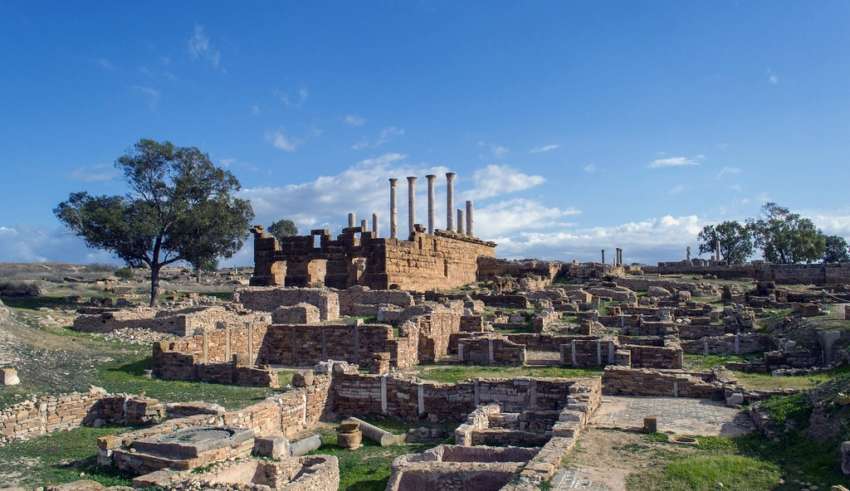
Thuburbo Majus
Thuburbo Majus is one of Tunisia’s best-preserved Roman sites. Temples, thermal baths, mosaics, and paved streets stand as reminders of a glorious past. Walking through its ruins offers a captivating look into Roman architecture and daily life, set amid stunning rural landscapes near Béja.
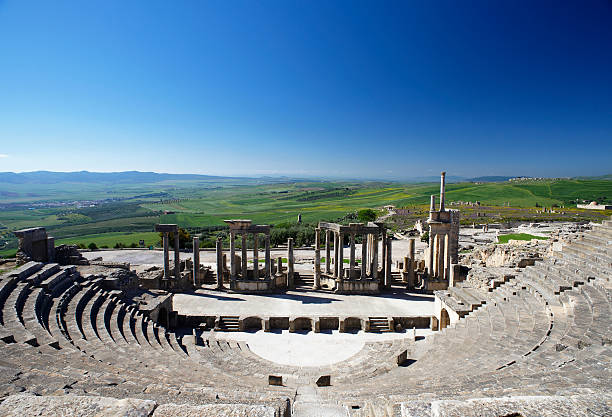
Dougga
Listed as a UNESCO World Heritage Site, Dougga is an extraordinary ancient city featuring a Roman theater, capitol, and temples. Overlooking a green valley, it offers breathtaking views and deep historical resonance — one of North Africa’s most remarkable archaeological treasures.
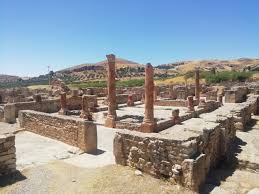
Bulla Regia
Bulla Regia stands out for its unique underground Roman villas, designed to protect inhabitants from the summer heat. Visitors can admire superb mosaics and well-preserved rooms, offering a rare glimpse of ancient domestic life and the ingenuity of Roman architecture in Béja’s region.

Aïn Tounga
Once a Punic and later Roman settlement, Aïn Tounga reveals temples, towers, and stone remains scattered across a tranquil landscape. The site invites visitors to imagine life in ancient Numidia, blending archaeology, mythology, and natural beauty in the heart of Béja’s countryside.
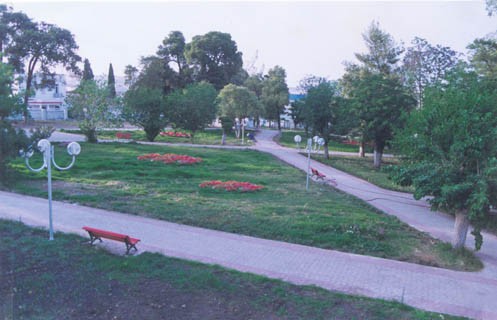
Public Garden of Béja
Located in the heart of the city, the Public Garden of Béja offers a relaxing green escape. Shaded alleys, fountains, and benches make it ideal for a stroll after exploring the medina. It’s a peaceful oasis where locals gather, surrounded by nature and urban charm.
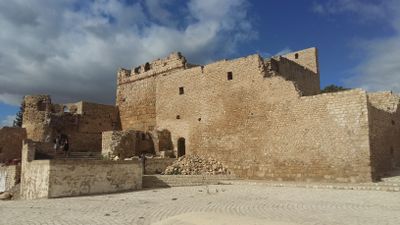
Kasbah of Béja
Perched on a hill, the Kasbah of Béja is a historic fortress offering sweeping views of the city and surrounding plains. Built during the Islamic period, it served as a defensive stronghold. Today, it remains a symbol of Béja’s strength and enduring heritage.
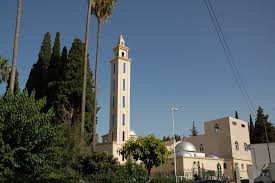
Great Mosque of Béja
The Great Mosque of Béja stands as one of the city’s most emblematic religious monuments. Located in the old medina, it features traditional Islamic architecture with a serene atmosphere for prayer and contemplation, reflecting centuries of faith and craftsmanship in northwest Tunisia.
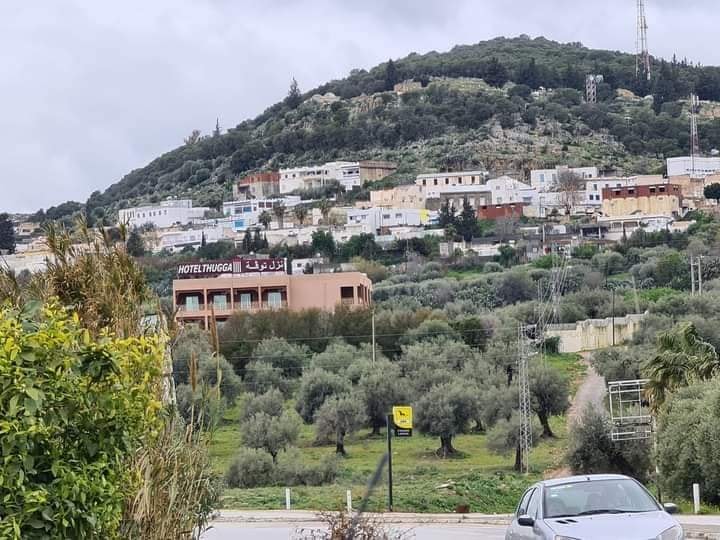
Teboursouk
Nestled in the mountains, Teboursouk is a charming town surrounded by green hills and olive groves. It serves as a gateway to Dougga and nearby Roman ruins. Visitors appreciate its calm atmosphere, rural hospitality, and authentic glimpse into traditional Tunisian countryside life.
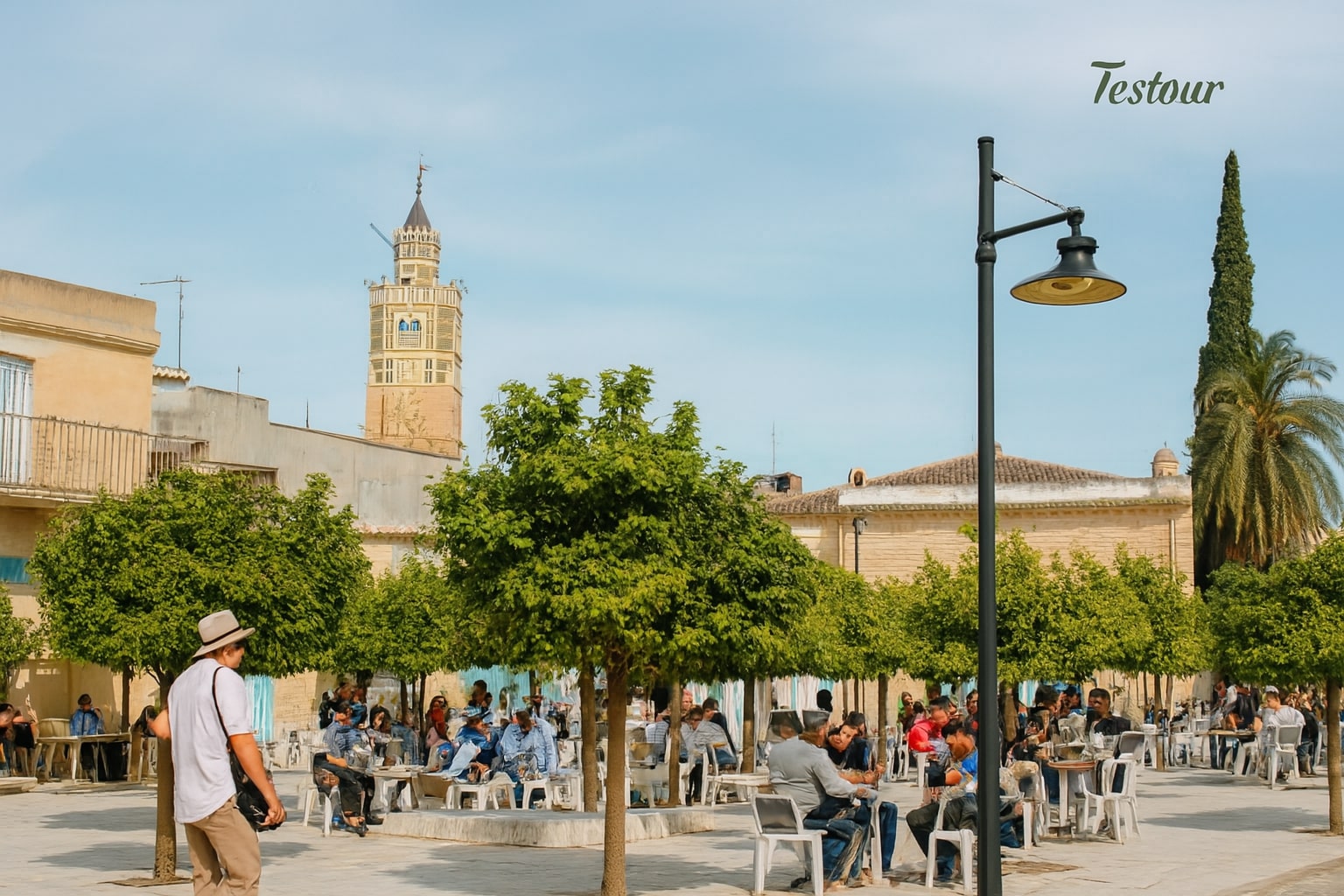
Testour
Founded by Andalusian refugees, Testour enchants visitors with its whitewashed houses, cobblestone alleys, and the famous Great Mosque with an inverted clock. Music, architecture, and history blend here, making it a cultural jewel and peaceful stop in Béja’s Andalusian heritage trail.
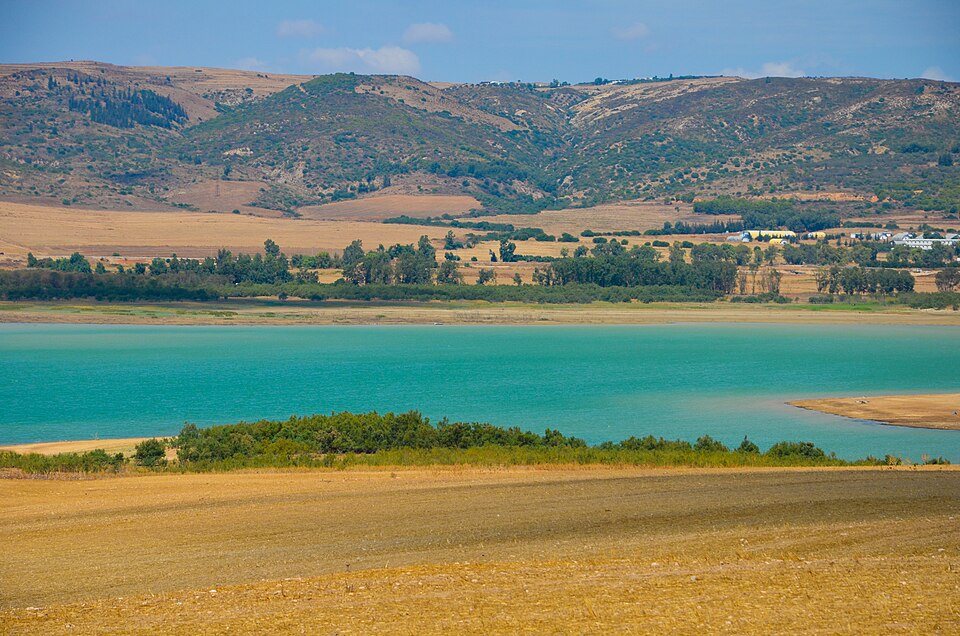
Oued Zarga Dam
Surrounded by rolling green hills, the Oued Zarga Dam offers a tranquil escape into nature. Its calm waters and panoramic views make it perfect for relaxation, picnics, or photography. A quiet, refreshing destination for those seeking peace in Béja’s rural landscape.